
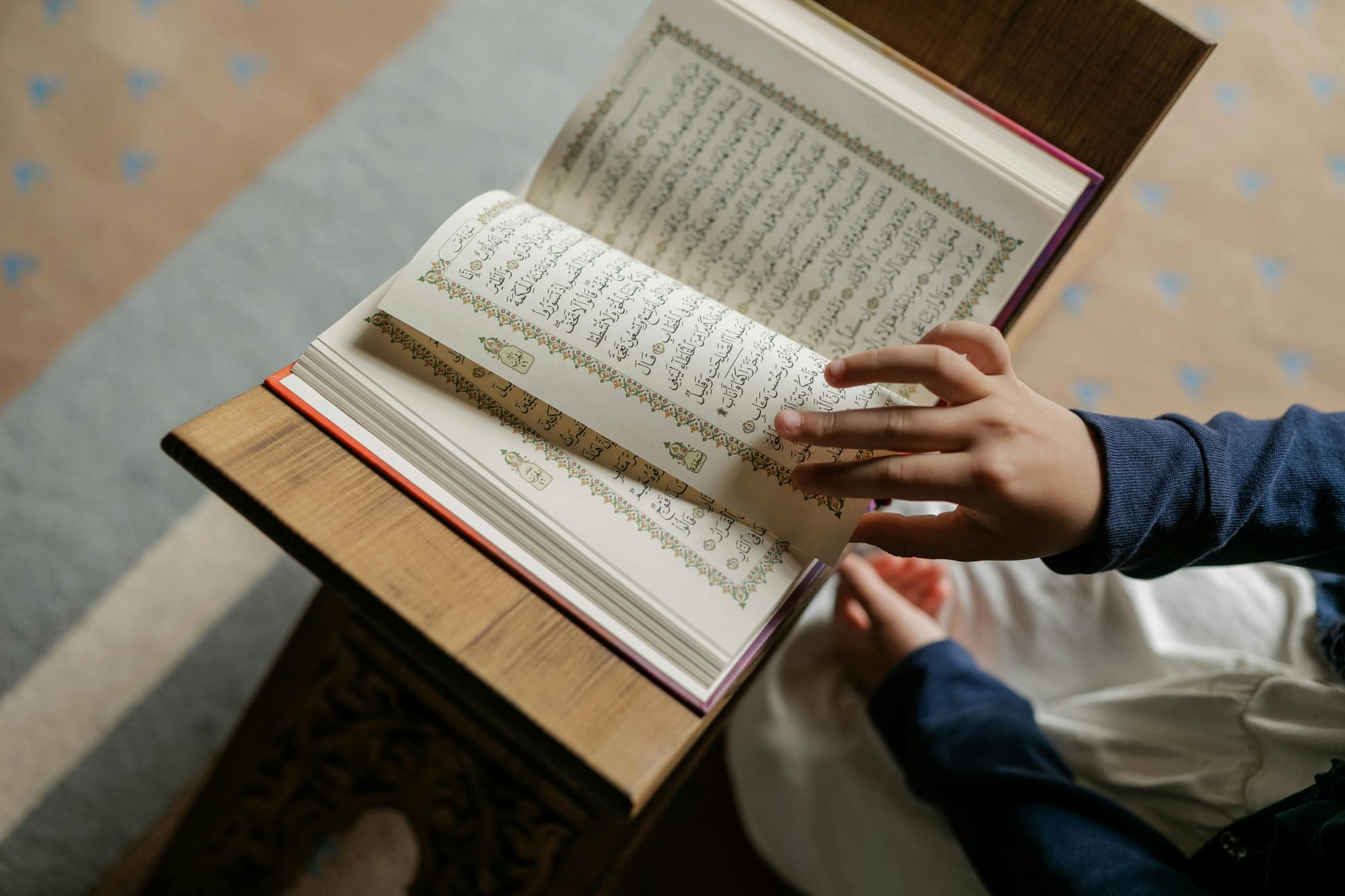
Understanding Qadr in Islam
Understanding Qadr in Islam: Life, Destiny, and Accountability at TMIA Calgary
The concept of divine decree, known as Qadr, is one of the foundational beliefs in Islam. It addresses essential questions about destiny, life span, sustenance, actions, and ultimate outcomes. Hadith No. 4, narrated by Abdullah ibn Masud (RA) and recorded in Sahih al Bukhari and Sahih Muslim, presents a detailed explanation of how a human being’s creation unfolds and how certain aspects of destiny are recorded.
At Tehseen e Madina Islamic Assembly (TMIA) Calgary, this Hadith is studied to strengthen understanding of belief in divine decree while maintaining personal responsibility and accountability.
This blog explains the meaning of Qadr in Islam, how destiny is recorded, the balance between free will and decree, and what this Hadith teaches Muslims living in Calgary today.
The Stages of Human Creation
The Hadith begins by describing the stages of development in the womb. The Prophet (peace be upon him) explained that a person’s creation progresses in phases of forty days, transitioning from a drop, to a clot, to a piece of flesh. After approximately four months, an angel is sent to breathe the soul into the fetus.
At this moment, four matters are recorded:
His provision (rizq)
His life span (ajal)
His deeds (amal)
His ultimate outcome, whether he will be from the people of happiness or hardship
This narration connects human development with divine knowledge. It affirms that life is not random but exists within a framework of divine awareness and decree.
At TMIA Calgary, these teachings are often discussed in Aqeedah classes to help believers understand both spiritual accountability and reliance upon Allah.
The Four Matters Written for Every Person
The Hadith clearly states that four aspects are recorded for each individual.
First is provision. This includes sustenance, wealth, and blessings. Provision is not limited to financial gain. It includes opportunities, health, and resources granted by Allah.
Second is life span. The length of one’s life is predetermined. This does not negate the importance of protecting health or making responsible choices. Rather, it reminds believers that life and death occur within divine wisdom.
Third is deeds. Actions are recorded and have consequences. Deeds include intentional acts of obedience and disobedience.
Fourth is ultimate outcome. This refers to whether a person will end life in a state leading to Paradise or punishment.
These four matters illustrate that destiny encompasses both worldly circumstances and eternal consequences.
Does Qadr Remove Free Will?
A common question regarding understanding Qadr in Islam is whether predestination removes free will.
The Hadith clarifies that while matters are written, individuals are still accountable for their actions. The Prophet (peace be upon him) explained in another narration that each person is facilitated toward that which they were created for.
This means that people choose actions based on their intentions and effort. Divine knowledge encompasses those choices, but does not force them.
At Tehseen e Madina Islamic Assembly Calgary, teachers emphasize that belief in Qadr must not lead to passivity. Instead, it encourages effort combined with trust.
The Importance of Final Deeds
One of the most profound lessons in this Hadith is the warning regarding how deeds conclude.
The Prophet (peace be upon him) stated that a person may appear to perform the deeds of the people of Paradise until near the end of life, but then a change occurs and the final deed alters the outcome. Likewise, a person may appear sinful but end life in repentance.
This does not mean that good deeds are meaningless. Rather, it teaches humility and constant vigilance.
Outward appearances do not guarantee final success. Only Allah knows what lies within the heart and how a life will conclude.
For Muslims in Calgary, this reminder encourages consistency, sincerity, and avoidance of complacency.
Avoiding Judgment Based on Appearances
The Hadith also addresses the danger of judging others based on outward actions.
The Prophet (peace be upon him) described a man who appeared courageous in battle, yet ultimately harmed himself and ended his life. This example demonstrates that only Allah knows the reality of intentions and final states.
At TMIA Calgary, this teaching is presented as a reminder to avoid self righteousness and to refrain from declaring certainty about another person’s eternal outcome.
Believers are instructed to focus on their own accountability.
Qadr and Responsibility
Belief in Qadr does not excuse wrongdoing. The Hadith explicitly discourages surrendering to harmful behavior under the excuse of destiny.
While certain aspects of life are written, effort remains obligatory. The believer must strive for righteousness, seek repentance when falling short, and avoid harmful actions.
The Qur’an consistently affirms that individuals will be judged according to their choices.
At Tehseen e Madina Islamic Assembly Calgary, youth programs and educational sessions reinforce that accountability and divine decree operate together, not in opposition.
Divine Knowledge and Human Effort
Understanding Qadr in Islam requires recognizing two truths:
Allah has complete knowledge of all events.
Humans are responsible for their choices within their capacity.
Allah does not burden a soul beyond its ability. Each individual operates within defined limits, and accountability corresponds to those limits.
The recording of destiny does not eliminate striving. Rather, it motivates balanced reliance upon Allah while taking necessary steps.
The Role of Intention and Repentance
The Hadith highlights that a lifetime of actions can be sealed by the final deeds.
This emphasizes the importance of repentance, sincerity, and continual self correction.
Even if someone has committed wrongdoing in the past, repentance remains open until the final breath. Likewise, no one should rely solely on past good deeds without maintaining effort.
TMIA Calgary encourages reflection on intentions and continuous improvement in worship and character.
Qadr in Daily Life
Belief in Qadr affects how Muslims respond to:
Success and failure
Health and illness
Wealth and poverty
Ease and hardship
When success occurs, gratitude is required. When hardship occurs, patience is required.
Understanding Qadr in Islam provides emotional balance. It prevents arrogance in prosperity and despair in difficulty.
For the Muslim community in Calgary, this belief provides stability in the face of personal and societal challenges.
The Balance Between Hope and Fear
This Hadith teaches balance.
Believers maintain hope in Allah’s mercy while fearing complacency. They strive for righteous actions while recognizing divine control.
This balanced approach prevents extremes of fatalism or overconfidence.
At Tehseen e Madina Islamic Assembly Calgary, scholars explain that belief in Qadr strengthens spiritual resilience and reliance upon Allah without eliminating responsibility.
Educational Importance at TMIA Calgary
Teaching the concept of Qadr is essential in modern times. Misunderstandings can lead to confusion about destiny, mental health, and accountability.
TMIA Calgary provides structured learning rooted in authentic sources to clarify these principles according to Ahl e Sunnah wal Jamaah.
By studying Hadith No. 4 carefully, believers gain clarity about life’s purpose, effort, and ultimate return to Allah.
Conclusion
Hadith No. 4 offers a comprehensive explanation of divine decree, human creation, accountability, and final outcomes. Understanding Qadr in Islam requires recognizing that destiny is written while effort remains essential.
Four matters are recorded for every person: provision, life span, deeds, and ultimate outcome. Yet each individual is responsible for choices within their capacity.
This Hadith encourages humility, consistent worship, repentance, and reliance upon Allah.
At Tehseen e Madina Islamic Assembly Calgary, education about Qadr strengthens faith and clarifies misconceptions. Through study and reflection, believers learn to balance trust in Allah with active effort.
Belief in divine decree does not weaken responsibility. It strengthens sincerity and reinforces awareness that every action contributes to one’s final outcome.


